
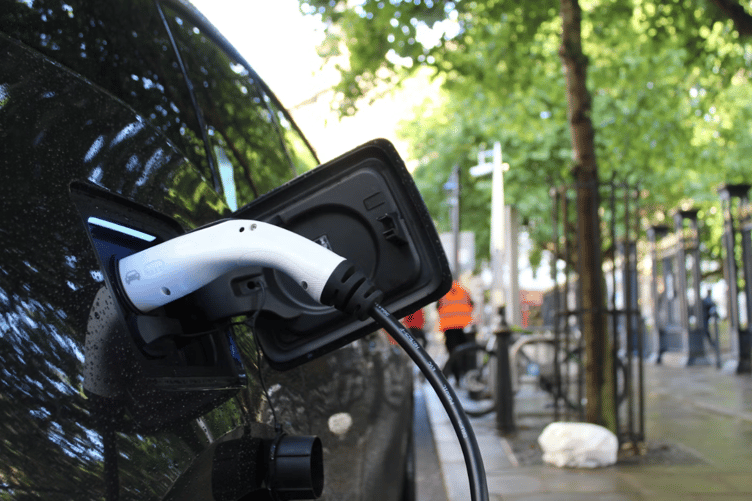
ALMOST 3,000 publicly accessible electric vehicle (EV) charging sockets are set to be installed across Devon as part of a major £30 million investment aimed at expanding the region's charging network.
Devon County Council and Torbay Council have appointed three specialist companies — Believ, char.gy and Wenea — to deliver, operate and maintain the new infrastructure over the coming years.
The scheme will see charging points installed in a range of locations, including residential streets, public car parks, parish and community car parks, and on existing lamp columns.
The first installations are expected to begin within the next few months.
The project is backed by an £8 million grant from the Department for Transport's Local Electric Vehicle Infrastructure (LEVI) Fund, awarded jointly to the two councils, with the remaining investment coming from the three delivery partners.
Both Devon County Council and Torbay Council have adopted electric vehicle strategies identifying the need for thousands of additional public charging sockets to be in place by 2030 to support the growing number of EV drivers.
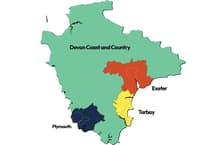
Under the agreement, Wenea will work alongside district councils to install rapid and fast chargers in public car parks managed by East Devon District Council, Exeter City Council, Mid Devon District Council, South Hams District Council, Teignbridge District Council, Torbay Council and West Devon Borough Council.
Believ will focus on installing standard charging units on streets and in parish and community car parks, while char.gy will provide chargers mounted on existing lamp columns to improve access in residential areas where off-street parking is limited.
Councillor Jaqui Hodgson, Devon County Council's Cabinet Member for Environment and Biodiversity, said the expansion of charging infrastructure would play an important role in tackling carbon emissions.
‘On-road transport makes up more than a quarter of Devon's total carbon emissions and the delivery of more publicly accessible EV chargers is of vital importance to help address the climate emergency’, she said.



‘Making it as easy as possible for people to charge their vehicles when and where they need to — outside their home, on streets, in public car parks and even on lamp posts — is crucial to encourage the take-up of EVs’.
Torbay Council's Cabinet Member for Pride in Place and Parking, Councillor Adam Billings, said the investment would make charging more accessible while supporting the area's wider ambitions to reduce emissions.
He said the additional charging points would help overcome one of the biggest barriers to EV ownership, particularly for residents without driveways, and highlighted other local initiatives, including cross-pavement cable channel trials and the transition to an electric Stagecoach bus fleet.
The councils say the investment will help encourage more people to switch to electric vehicles while improving access to charging facilities across Devon and Torbay.
Comments
This article has no comments yet. Be the first to leave a comment.