
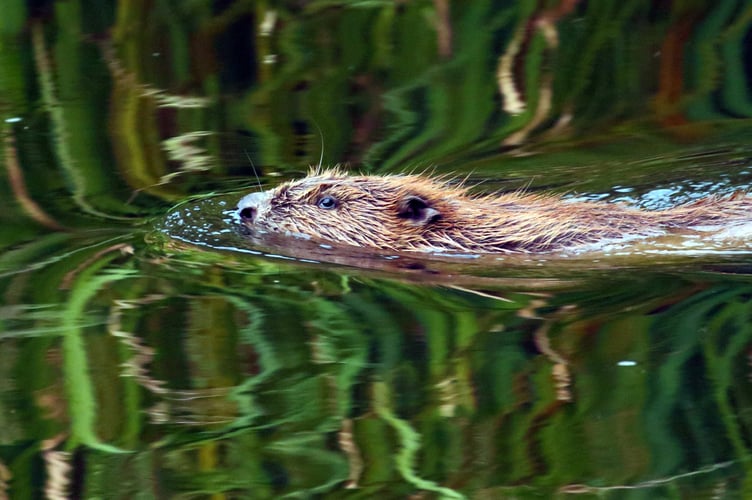
A CHARITY which pioneered the reintroduction of beavers is now calling for greater clarity and urgency from the Government in relation to its national plans for the widespread return of the animals.
Devon Wildlife Trust says it welcomes the recent announcement from Government that Eurasian beavers will be given legal protection in England from October 1, and the publication of guidance in early September which outlines how beavers might be managed in the future.
However, the charity is concerned that the proposals lack ambition and detail.
It warns that, in their current form, they will not deliver the widespread reintroduction of a species that scientific studies have shown can improve water quality in rivers, stabilise water flows during times of drought and flood, store carbon and boost other wildlife.




Harry Barton is Devon Wildlife Trust’s chief executive. In 2015 the charity led a successful trial on the River Otter in Devon where England’s first wild population of beavers were reintroduced – 400 years after their extinction. This trial was a great success and the Government subsequently agreed that the beavers on the River Otter could remain in the wild and spread naturally to other rivers. Harry said:
‘A summer of record-breaking heat and drought has highlighted the urgency of making our landscapes more resilient to the unfolding climate emergency.
‘Beavers have created green oases in our parched river valleys, because of their ability to store water through dam building and wetland creation. And we know they can reduce peak flows in times of flood and help improve water quality.
‘The Government’s recent announcements on protection for beavers and their management are good news, but they lack clarity and a sense of urgency.
‘We need a clear plan so these amazing animals can become part of the wildlife of rivers.’
Sandra King, Chief Executive of Beaver Trust, said: ‘Beavers bring such an astonishing array of ecosystem services to our landscape, this truly is a historic day for the species in England.
‘It is thanks to the hard work and determination of pioneering individuals and wildlife organisations that the recovery of this once-native animal is able to celebrate this milestone.’
Comments
This article has no comments yet. Be the first to leave a comment.